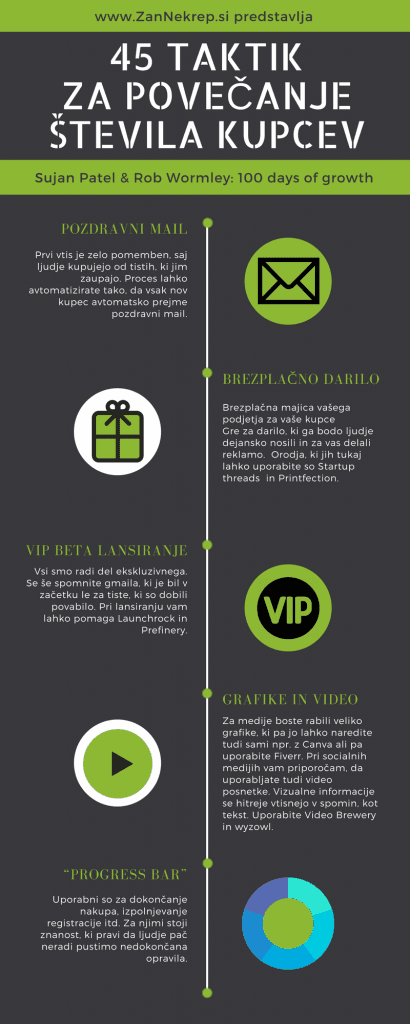

I read the book 100 days of growth for you, written by Sujan Patel and Rob Wormley, and I selected the best tactics from the book based on my own choice.
Tactic No. 1: A free t-shirt from your company for your customers
It’s a gift that people will actually wear and advertise for you. We also used this for growth with the Kužek brand, when we created women’s t-shirts caution hot caretaker and distributed them among well-known people in the initial phase. Tools you can use here are Startup threads and Printfection.

Tactic No. 2: Welcome email
First impressions are very important, as people buy from those they trust. You can automate the process so that a welcome email is automatically sent to every new customer.

Example of a welcome email:
Tactic No. 3: VIP beta launch
We all like to be part of something exclusive. Do you still remember Gmail, which was initially only for those who received an invitation. Launchrock and Prefinery can help you with your launch.
Tactic No. 4: Testing
Testing is important in business, as what holds true today doesn’t necessarily hold true tomorrow. Test and you will see what works and what doesn’t, and optimize all processes and increase purchases. Use tools such as vWo and crazyegg.
Tactic No. 5: Have a landing page
An example of Neil Patel‘s landing page:
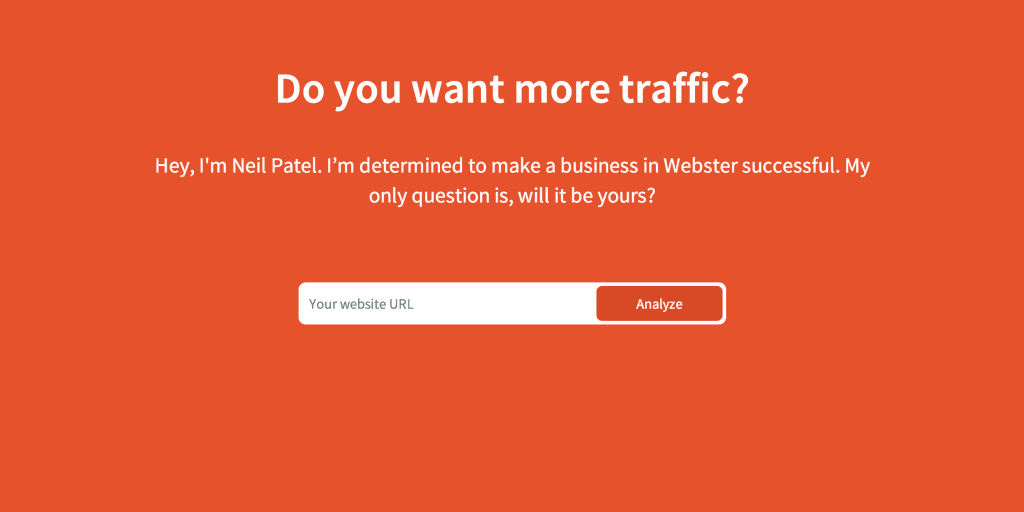
For landing pages, the tools Optimizely, Unbounce and Lead Pages will be useful.
Tactic No. 6: Save your graphics, as you will need them
For media such as Facebook and Instagram, you will need a lot of graphics, which you can also create yourself, e.g. with Canva or use Fiverr. Pay attention to sizes and dimensions, as each platform has its own technical specifications, and for this I recommend using the Social Image Resizer Tool. For social media, I also recommend using video content.
Tactic No. 7: Create an explainer video
Visual information is imprinted in memory faster than text. Use Video Brewery and wyzowl.
An example of a good explainer video:
Tactic No. 8: Use advanced calendars to make your work easier
These include: Buffer, CoSchedule and Meet Edgar.
Tactic No. 9: Consider guest posting on other websites
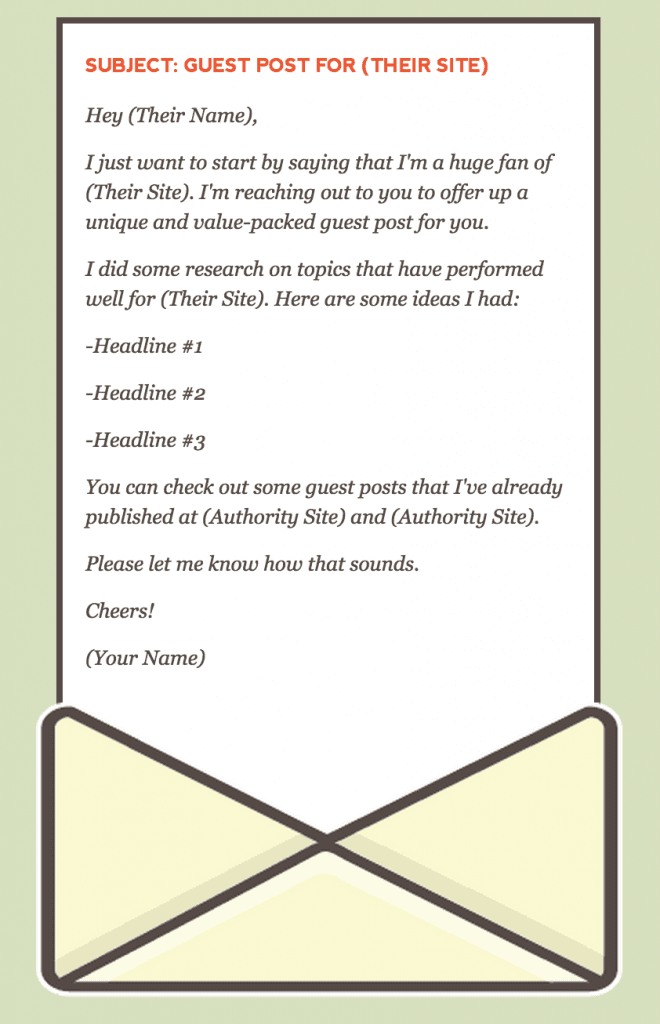
How the book recommends you should approach getting published on another website:
Tools that will help you with publishing are Penflip, Buzzsumo and Boomerang for gmail.
Tactic No. 10: Use a Progress Bar
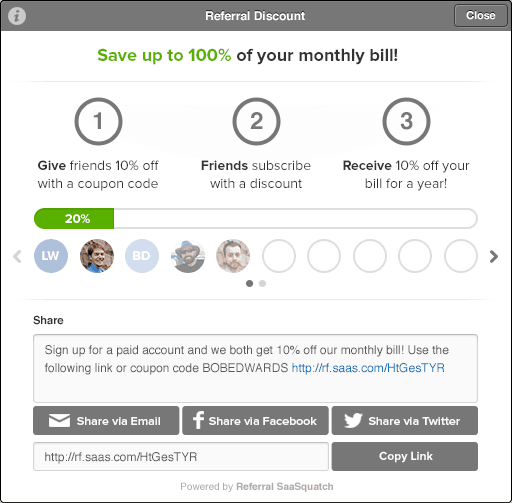
They are useful for completing purchases, filling out registrations, etc. There is science behind them, which says that people simply don’t like leaving tasks unfinished.
An example of a progress bar from the book:
Tactic No. 11: Advanced customer testimonials
Consider testimonials that are still underused by most, such as in the form of video recordings, case studies, or blog posts.
Tactic No. 12: Consider live chat
Useful options include Zopim, Olark or Userlike. I also recommend considering chatbots, such as those offered by Pametni bot.
Tactic No. 13: Have a story behind your product
Stories sell, so it’s important that there is a story behind your product, for example why you decided to create it, an interesting anecdote that happened to you, etc.
Tactic No. 14: Have a responsive design
It’s important that your website is optimized for all devices. You can use, for example, Webflow.
Tactic No. 15: Write an e-book and offer it for free
Extremely useful for collecting emails and also makes it easier to become an expert in your niche. This blog also has a free e-book available, which you can download at this link.
Tactic No. 16: Use contests and promotions on social media
Social media is great for organizing contests and promotions. Use tools such as Rafflecopter, King Sumo and Gleam.
Tactic No. 17: The user does something in exchange for access (gated content method)
For example, the user gains access to additional content. You can use Pay with a Tweet or Social Locker for WordPress.
Tactic No. 18: Social media integration
Add sharing options wherever possible, e.g. sharing on all posts you publish. Add this and Facebook social plugins can help you with integration.
Tactic No. 19: Create a LinkedIn group
Create a group. It is useful for becoming one of the leaders in your niche. Before doing so, browse the group directory.
Tactic No. 20: Let customers refer friends (Refer a friend program)
Reward customers who refer others with discounts, bonuses, or even cash. You can use Ambassador, Referall SaaSquatch and Friendbuy.
Tactic No. 21: When a user leaves the page, a pop-up message appears.
You can use BounceX, Picreel and Exit monitor.
Tactic No. 22: Be Big Brother to your users (Big brother hack)
This is about seeing how users actually use your website. Tools that can help you here are Crazyegg, User testing and Click tale.
Tactic No. 23: Use Twitter chat
Try it out with tools Hootsuite, Twitter Chat Schedule and Storify.
Tactic No. 24: Collect reviews
For reviews, get help from Moz Local and Yotpo.
Tactic No. 25: Use the Udemy learning platform
With the help of Udemy you can build credibility and authority in your niche by creating a video course for your industry and launching it on this platform.
Tactic No. 26: Create infographics on your own or in collaboration with another company (co-branding)
You can use Piktochart, Visual.ly and Infogram.
Tactic No. 27: Activate inactive users
Use tools such as Autosend or Customer.io.
Tactic No. 28: Use a countdown
Use it to create a sense of urgency among users. You can use the tools Countdown Monkey and Countdown timer for emails.
Tactic No. 29: Use the right words in your marketing (Copywriting)
You need to learn how to write persuasively. Optimizely or Headline analyzer can help you.
Tactic No. 30: Use phone support on your website
Use the tools Intercom and Google voice.
Tactic No. 31: Try social media ads
Advertise for example on Facebook, Instagram, Twitter, Youtube etc. I recommend reading case studies of successful advertising campaigns, such as BarkBox and Pact Coffee.
Tactic No. 32: Do thorough keyword research
Important for driving traffic to your website and acquiring potential customers. Use Google Keyword Planner, SEMrush and Open Site Explorer.
Tactic No. 33: Participate in niche forums
Contribute to communities on these forums, as potential customers can be found there, for example on Reddit, Quora and Copy Hackers.
Tactic No. 34: Give something to loyal customers
It is important not to forget your existing customers.
Tactic No. 35: Customer support (Helping hand)
Every customer experiences your product or service differently. Set up certain triggers for when customers need help and have them automatically contacted. Tools that can help you here are Autosend, Popcorn Metrics and Segment.
Tactic No. 36: Send a cold email to a company
Send an email to someone you don’t know yet. Use YesWare or Streak.
Tactic No. 37: Use personalization
Wherever possible, address people by their name, as they cannot overlook their own name. Use visitor.js.
Tactic No. 38: Use a better email signature
Tools that help you improve your signature include for example Wise Stamp or htmlsig.
Tactic No. 39: Periodically research your competition
You can research your competition for example with tools like Semrush and Quick Sprout.
Tactic No. 40: Gain publicity (PR)
Use this when you have good news for the media, e.g. you have launched a new product, achieved a new major business partnership, etc. Use Help A Reporter, Muck Rack, and BuzzSumo.
Tactic No. 41: Update your about page
There is a lot of potential here for many companies, as these pages are usually below average. An example of a good about page in this area is Social Triggers.
Tactic No. 42: Deals are made over lunch
This is a rule I follow very well myself. Don’t eat alone, as this is the time when deals are made.
Tactic No. 43: Offer a free trial
Consider offering potential customers a free 30-day trial. This is offered by for example GoodData or Netflix.
Tactic No. 44: Offer something extra (upgrade offer)
Sell something additional alongside the offer you already have. You can easily increase sales by offering an additional service or product once the customer has already decided to make a purchase.
Tactic No. 45: Create an industry report
With an industry report, you will be able to more easily position yourself as an expert in the field.