
Whether you want to start your own online business or just want to sell some old things, selling on eBay can be a great way to earn some extra money. But regardless of your intentions, it will be good to educate yourself about how to sell on eBay before you start. There are some “tricks” to make your sales successful and to actually earn something. Below I have written some tips you need to start making money on eBay.
1. Get to know the popular things that sell on eBay
Whether it’s old textbooks or a collection of sought-after trading cards, it’s crucial to take some time and decide whether what you’re selling is in good condition before listing anything on eBay. It often happens that people see there’s money to be made and start selling everything they can get their hands on. But if you make the mistake of selling items that are not in good condition or are missing key parts, you can receive poor ratings, which makes it harder to sell other things you’ll want to sell on eBay later. If you’re looking for things that sell well on eBay, use the “Market Research” tool to find out which products are the most popular. Also check which items are the most viewed, as well as those that have the most bids. This will give you an idea of which products are selling. Try to think seasonally as well – you probably won’t get many bids for a pair of sunglasses in the middle of winter, so put them somewhere safe until the right time comes. You’ll likely earn much more from them if you can wait until spring or summer, when demand for them will be much greater.
2. Buy cheap things to sell at higher prices
In addition to selling items you no longer use on eBay, it’s also worth looking for cheap things to sell at higher prices. Whether that’s at your local store, a sale, at some fair, or even on eBay itself. There are many places where you can find great products that are well-preserved and that you’ll be able to resell without any trouble. However, there is also a risk of losing money if you’re not familiar with how much a particular item sells for on eBay, so I definitely recommend doing some research first. But if you’re confident that the seller from whom you purchased a particular item undervalued it, this is a good opportunity to buy it and sell it for the price you think it’s worth, and earn from that.
3. Improve your eBay profile
The best way to get started as a seller on eBay is to first become a buyer. This way, other users can see that you have an eBay history and recognise that you are trustworthy. Even if you only buy a few small items for a few euros, by paying for items immediately and taking the time to leave feedback, you can truly strengthen your presence on eBay and this will earn you a good buyer rating.
Another important step is choosing a username. Keep in mind that whatever you choose will essentially be the name of your mini business, so for example some combination of letters and numbers – paldifan111xx – will probably not inspire much confidence in potential buyers. I recommend going with something simple and professional, such as a variation of your name or a name that is relevant to the type of things you intend to sell.
4. Research eBay’s fees
Before you start making money on eBay, you first need to carefully determine how much an item is worth and how much selling it will cost you.
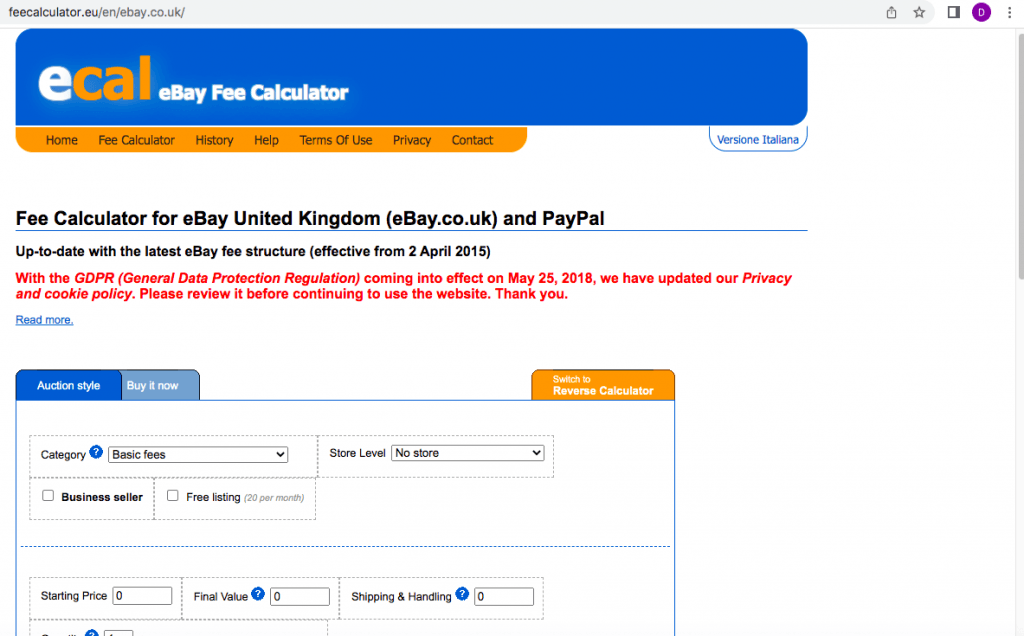
We all want to make a decent profit when selling, but when selling on eBay, don’t forget about some additional costs you need to be aware of. Ecal (http://www.feecalculator.eu/en/ebay.co.uk/) is an excellent tool that calculates how much you will pay for each item sale, based on the price you set and the final selling price of the item. Try entering your item into this tool to see what profit you will make.
- You can list 1,000 items per month for free – after that you will be charged a fee
- There are additional costs for optional upgrades, such as adding a subtitle or listing your item in multiple categories
▪ eBay takes 12.8% of the first £2,500 of the total transaction (including postage), plus £0.30 per order
5. Pay attention to promotions
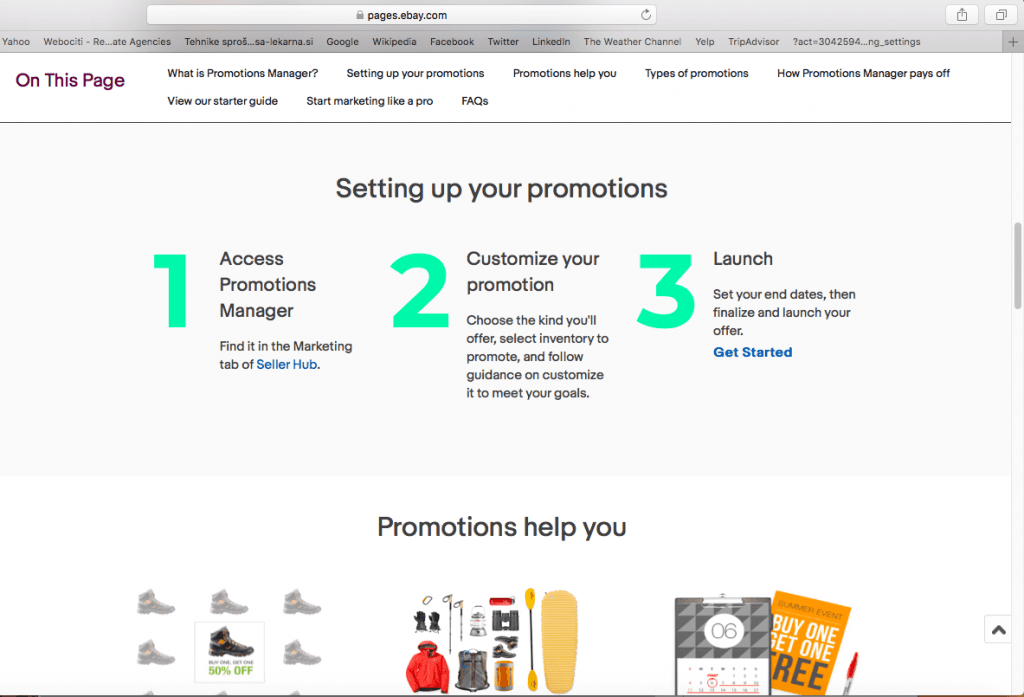
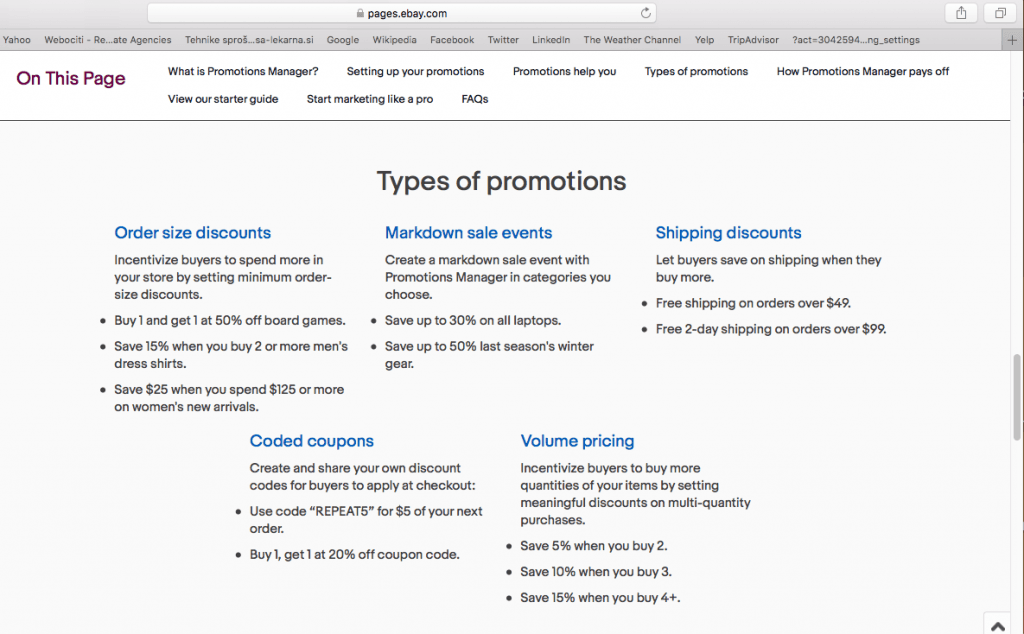
Occasionally eBay runs promotional offers for individual sellers – pay attention to these, as they will likely send you an email with a link to activate them. If you can, wait to take advantage of these offers to sell your more expensive items, as this can save you a good sum of money on fees. Promotional offers can also include paying reduced fees (sometimes just £1 per listing). To take advantage of these offers, find your eBay seller account on your page and look for the section containing current promotions. Next to each offer it will say “active”, in which case it has been applied to your account, or you may need to click a button to activate it.
6. Charge the best price for your product
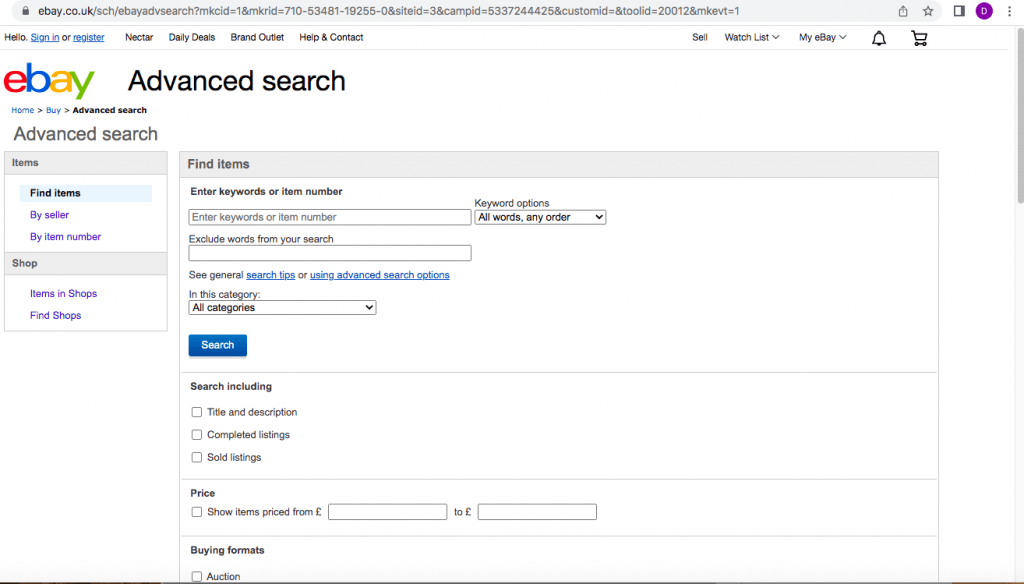
When you decide which product you are going to sell, use eBay’s advanced search tool to find out how much similar items have sold for or are selling for recently. You can search for anything you want to sell and check the “completed listings” box to see a range of similar items and the prices they sold for.
Also make sure you get the postage price right, otherwise you could end up with nothing. However, don’t forget that you also have to pay an eBay fee on the entire transaction, including postage. Keep in mind that high postage costs can put some buyers off, so we recommend adding the costs into the price of the item itself so you can offer free postage. This will give your items a “free postage” label in search results. And since buyers can filter out items that don’t offer free postage, many more users will see your listings.
7. Start with low prices to attract buyers’ attention
It may be tempting to set a high starting price for the items you are selling. However, consider that starting with a low price can actually secure you better sales in the long run. A low starting price will attract the attention of more potential buyers and encourage a competitive bidding war as the item reaches its final day of bidding. However, keep in mind that this advice does not apply to truly niche items – if it is something that only an enthusiastic collector would search for, do not set the starting bid too low, as you are less likely to receive many bids on these items. You can always add a reserve price if you are concerned that the item will not sell unless it reaches a minimum amount you have set.
8. Take good photos of the items you are selling
A photo of the item you are selling adds the greatest credibility, and an eBay user who sees your product well presented in photos will find it easier to decide to make a purchase than if the photo is poor. If there are additional components to the item you are listing, include them in the photo – I am talking about boxes, instructions, batteries or anything else you have mentioned in the description. You do not need a top-of-the-range camera for a quality photo; you can use a smartphone and use autofocus, which will work wonders for close-up shots. Natural daylight is key for clear, high-quality photos. If you are in a poorly lit room, you can add a little extra lighting (such as a desk lamp) and you will notice a big difference. Just make sure you avoid shadows. Also remember that you can upload 12 photos at a time for free.
9. Start “auctions” at the right time
Before you post your listing, take some time to think about when the right time to publish it will be. Generally, the best time for an “auction” to end is on a Sunday evening. This has proven to be the time when most casual buyers head online to browse, so it’s the right time to post. If you decide on a 10-day “auction” (which is the best option in most cases, as it increases the chances of getting more bids), post it on a Thursday evening to maximise your exposure to potential buyers. If you’re selling a themed or seasonal item, consider which time of year would be best to list it on eBay. For example, the beginning of October would be the right time to start listing any dresses and costumes you have, as people begin searching for their Halloween costumes online.
10. Write compelling product descriptions
Now for the hardest part; write descriptions that will sell your item. It’s essential that you take your time with this, as a good description can lead to a sale or, conversely, mean no sale at all. eBay allows you to use up to 80 characters in your title, so make the most of it. Be clear, concise and use plenty of keywords to make your item as easy to find as possible.
How to write product descriptions on eBay:
- Avoid spelling mistakes – errors can put buyers off.
- Keep the description concise, informative and accurate. Also highlight the key features of the product.
- Use popular eBay abbreviations such as VGC (very good condition), BN (brand new), BNIB (brand new in box) and BNWT (brand new with tags).
- Be honest about any potential flaws – buyers can leave negative feedback and request refunds if the item is not in the condition you described.
- If relevant, mention how often the item has been used or why you are selling it.
- Your items will fetch a much higher price if you have all the packaging, tags and instruction booklets.
- Invite potential buyers to contact you if they have any questions.
- State all your terms, including payment method, postage and packaging, and any returns policy.
- Use simple, attractive fonts and colours – while still remaining professional, of course.
- Make sure you’ve listed your item in the right category – if it’s not immediately obvious, look at where similar items that are selling are listed.
- If you’re selling a lot of similar items at once, include a link to your other items in the description.
- For ideas on how to word your descriptions, you can look at how top sellers describe their items that are selling at high prices.
11. Increase your selling limits on eBay
When you first start selling on eBay, you can only list 10 items up to a value of £650. Before you can add more items to your eBay store, you need to prove that you are a good seller by shipping your items to buyers quickly, communicating with buyers and collecting positive feedback. To increase your limits, you can press “request a selling limit increase” in your profile. eBay will then decide whether to give you additional listings. However, you can only do this once a month, so it can take some time to build up a decent number of listings. Especially if you’re selling high-value items, you can quickly reach your limit. To speed up the process, you can try emailing the support staff. They are often happy to increase your account limits sooner if you have good feedback and are selling your items at a reasonable price.
12. Keep in touch with buyers on eBay
Once your sale is complete, send the buyer a confirmation email as soon as possible and invoice them for the full amount, including postage. Then send them a second email when you have received their payment and when you have dispatched the item. We know this sounds like a lot of emails, but buyers appreciate being kept informed, and if you are too quiet, there is a chance they will become suspicious and report you. Also make sure you dispatch the item as soon as possible and be careful not to be too ambitious with your “processing time” statement. If you estimate that you will need two days to ship the item but end up missing that self-imposed deadline, you could receive negative feedback and the buyer may request a refund from eBay. When your customer receives your item, don’t forget to leave them positive feedback. That’s how the world of eBay works, and as the English saying goes: “What goes around, comes around.”
13. Pack items in a large envelope to save money
As long as the envelope complies with postal guidelines, you can avoid the additional costs of selling parcels. Of course, not all items fit in envelopes. However, if you’re selling something small, such as CDs, jewellery or thin clothing, you can really cut down on postage and packaging costs.
14. Always obtain proof of postage when selling on eBay
Send every item you sell in a way that obtains proof of postage. Especially because, unfortunately, there are buyers on eBay who cause problems by writing to eBay that items were not received, even when they were actually delivered. So be careful and always keep your proof of postage stored away, in case something similar happens to you.
15. Send products with a handwritten note
Adding a personal touch to the products you send to your buyers can be a great advantage for you. Writing a small note to thank the buyer for their purchase gives them an insight into the person behind the sale, which will mean much more to them than an anonymous eBay username. If you are selling something like vintage clothing, for example, you can include some information in the note about the item’s backstory, with details such as when you first bought it, where it came from and why you are selling it. Make the effort to present it nicely and you can be sure that your eBay customers will appreciate it. And it may well happen that buyers will leave you a positive review on eBay and purchase from you again in the future.