
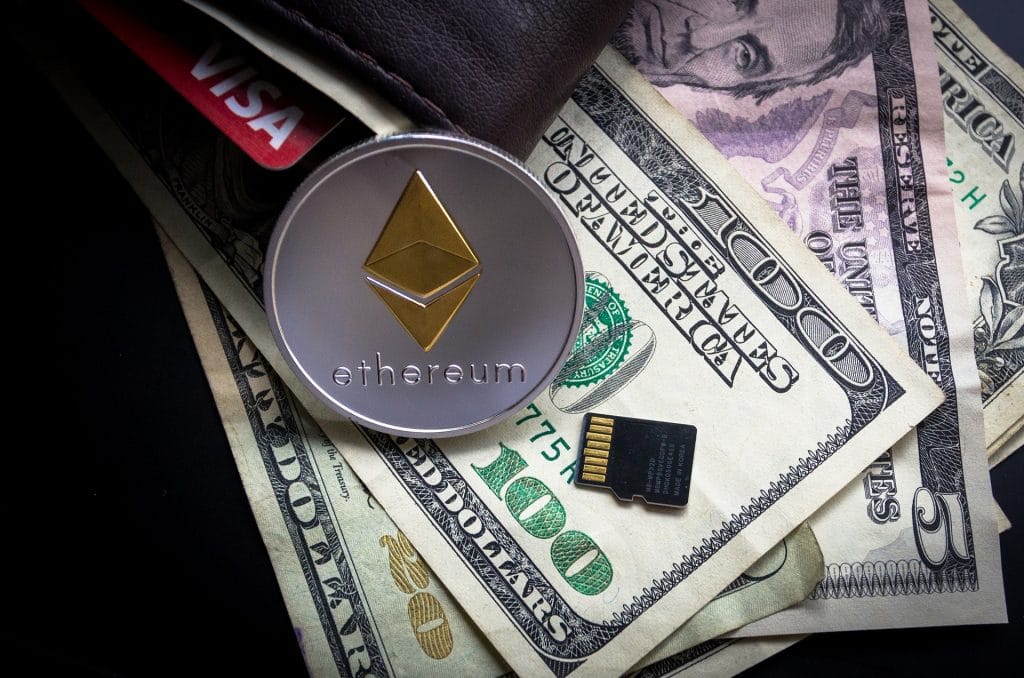
If a potential threat were to appear, would you know how to protect your cryptocurrency?
Despite the security of most public blockchain networks, crypto hacks and exploits are becoming increasingly sophisticated. Regardless of who they target, those who are complacent about the security of their crypto assets are often the ones who lose out. Before you continue reading, let us ask you whether you have considered how well you can protect your cryptocurrency. Do you also know what to watch out for in order to recognize scams and hacks before they affect you?
Many true cryptocurrency enthusiasts are self-taught. While the process of learning from personal experience and making mistakes along the way gives investors a great deal of understanding of crypto markets, it is not a time-efficient way to learn about cryptocurrencies. This article is written with the aim of helping you avoid mistakes that cost investors thousands of dollars every year, while taking into account some of the best practices for minimizing losses. In addition, the article also presents clear steps on how to secure your crypto assets and how hackers can gain access to your funds.
The basics of cryptocurrency security
As you may already know, blockchain technology, which is the main building block of all cryptocurrencies, is inherently very secure. Each block is linked to the next through cryptography and its contents are nearly impossible to alter. Once a block is created and “accepted” into the blockchain, it cannot be reversed or changed (the chaining function ensures immutability and finality). Many public blockchains are decentralized peer-to-peer networks. As they grow, they become increasingly difficult to hack, as someone would need to simultaneously attack thousands of different nodes in order to succeed.
It is probably already well known to most that the use of blockchain technology eliminates the need for a third party to protect and oversee transactions. This means that as a user, you alone are responsible for ensuring that your funds are secure. Because of this, you need to be aware of some important aspects:
- software security: blockchain is arguably the most secure type of network in the world, however the applications that provide access to the blockchain will be vulnerable like any other ordinary application. Therefore, if you intend to use blockchain-based decentralized finance (DeFi) applications, it is advisable, just as with any other ordinary application, to first do your research and follow the security procedures that will be described in this article;
- private and public keys: blockchain technology uses cryptography to secure the network. The main thing to be aware of here is the existence of private and public keys. Simply put, the public key is the wallet address, while the private key controls your funds. When you store your cryptocurrencies on an exchange, you do not hold the private keys to those crypto assets. This is a significant risk, as for example unwanted regulations can occur that may even cause a crypto exchange to block access to your funds. Make sure that the exchange you use is secure and trustworthy. If possible, use different methods for storing digital assets, about which you can read more in one of our articles found here.
Crypto wallets
Many investors buy a popular digital currency such as Bitcoin or Ether on an exchange, only to keep the currency on that same platform. Digital exchanges adopt their own security measures to prevent theft, but we must not forget that they are not immune to hacks.
There are many different ways to store digital assets. Anyone familiar with the cryptocurrency market has already heard of crypto wallets. One of the best ways to protect your investment is to secure your crypto wallet. There are two main types of wallets, known as hot and cold wallets. As we have already mentioned, you can read all about these crypto wallets in one of our previously published articles. Here, however, we will present what is probably the best option — cold crypto wallets, also known as “hardware wallets”.
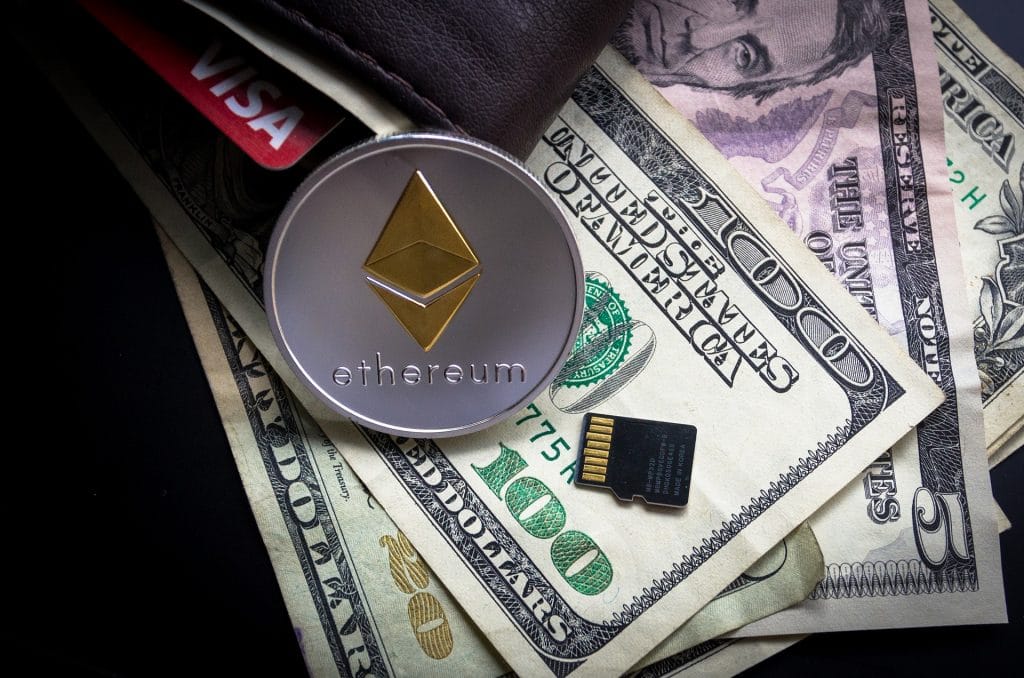
Hardware wallets are physical wallets that look like USB drives and function as a physical store for tokens or coins. Each hardware wallet is associated with a private key, which is a password-like piece of code that allows you to decrypt the wallet and access the crypto coins it stores. Although these types of wallets are extremely effective against digital thieves, there is also a risk — you can lose the password key.
Using a hardware wallet without an internet connection is therefore one of the best ways to protect your digital assets. Unlike hot wallets, cold storage wallets do not connect to the internet. They are less vulnerable to exploitation and numerous cyber attacks. Many traders store their crypto assets on an exchange to facilitate the execution of trades during market moves. However, storing assets on an exchange account means you have no control over your crypto assets.
If the exchange is hacked or the CEO runs off with your crypto assets, you may never see your cryptocurrencies again. However, if your crypto assets are securely stored in a hardware wallet, no one can access them without your permission. Additionally, using multiple hardware wallets allows you to distribute the risk of self-custody in the event that you lose the private key or recovery phrase (seed phrase) for one of your wallets.
Crypto exchanges
The most important lesson to remember is that although blockchain technology gives us freedom and eliminates the need to trust a third party or intermediary, this brings numerous new risks and responsibilities. As users of this technology, we are now 100% responsible for the security of our cryptocurrencies. It is entirely up to you how well you protect your cryptocurrency investment.
The majority of transactions involving cryptocurrencies are carried out through digital currency exchanges. These platforms are typically accessible via a web browser or web application and require users to buy and sell either by exchanging fiat currency for cryptocurrency or by exchanging cryptocurrency for cryptocurrency.
Having the right crypto wallet and ensuring it is secure is just the beginning of your journey to crypto security. There are many ways you can lose your digital assets through the risks that exist when holding your crypto assets on an exchange. You have just learned that using exchange wallets is quite risky. There are many ways your assets can be compromised if you store them on an exchange. Here are some of them:
- the so-called exit scam, where exchange owners disappear with the private keys of their customers that control the funds deposited on the exchange;
- hacks, in which the entire exchange or just some of its wallets are attacked. The latter happens almost every week! Make sure you use an exchange that is insured in the event of such an incident;
- bankruptcy – some exchanges, like other businesses, will fail. Do your research and try to stick to the major players in the market who strictly follow regulations;
- if you are new to trading, there is also the risk of losing money due to common beginner mistakes, such as trading with excessive leverage, fear of missing out (FOMO), entering a trade or forgetting basic risk management tactics.
Crypto risks

SENDING TO THE WRONG ADDRESS OR SO-CALLED IMPERSONATORS
As you already know, transactions submitted on the blockchain network are final and irreversible. If you send Bitcoin, for example, to the wrong address, no one will return it to you if you made a mistake. It is therefore very important to check the recipient’s address at least twice (or even three times) before pressing the “Send” button. There are also many scams that require you to first send Bitcoin (or any other cryptocurrency) in exchange for receiving more back into your account. Be vigilant and trust no one. Profiles where someone opens an account on social media to impersonate a specific person are very common today. Never, and truly never, send digital assets to people you do not know personally.
LOSING PRIVATE KEYS OR THE RECOVERY PHRASE (SEED PHRASE)
The recovery phrase is the last resort for recovering your crypto wallet in the event of losing your private key. This is an important solution that allows anyone who knows it to access your wallet. Trust that it is not advisable to keep your recovery phrase on your computer, as hackers look for them and will find them! Write it down and store it somewhere safe. Some people even split it into several parts, which they then store in separate locations. When it comes to securing recovery phrases, it is better to be safe than sorry.
SCAMS
Due to the nature of blockchain technology and its novelty, this space is a gold mine for all scammers. You can find them everywhere – in Facebook groups, on Instagram, YouTube, Telegram, Twitter, and many other places. Also remember that it is wise to avoid groups that lure you into investing in a crypto asset that will “soon go through the roof,” or promise you insane returns (for example, 1% per day or 10% per week).
One of the most common types of crypto scams are fake giveaways or prize games. Typically, the scammer presents themselves as a prominent figure (e.g. Vitalik Buterin, Elon Musk, etc.) on YouTube or another online platform by posting an advertisement featuring a video of the mentioned well-known figure. These videos often display a crypto wallet address somewhere on the screen with a message encouraging viewers to send their crypto assets to their wallet in exchange for them sending additional cryptocurrency back to you, etc. We mentioned this above, so you must be very careful when identifying fake personas.
In the following section, we will describe a few more fairly common scams to watch out for:
Impersonation scams are scams where someone uses a forged email address to pose as a legitimate entity. For example: a malicious actor could use an email address similar to that of an exchange (perhaps “.org” instead of a “.com” URL). A phishing email may ask you to provide account details in order to secure your account. In this case, the attacker could use your information to access your funds.
Fake websites/pages – even if a project is 100% legitimate, fraudulent websites or web pages can trick you into thinking you are on the real site, when in reality you are on a dangerous, fake website. It may appear identical to the website you intend to visit. However, you can lose your crypto assets if someone has created a convincing but malicious counterfeit website. Always verify that the URL is correct for the site you are interacting with by cross-referencing it with a reputable source. You might use websites such as coingecko.com or marketcap.com to verify, where you can find most cryptocurrencies/projects and information about their blockchain addresses, websites, market values, etc.
Rug pull – so-called rug pulls are one of the most prominent forms of exit scam in decentralized finance (DeFi). They involve a development team creating a fraudulent coin that rises and falls (pump and dump). When the price of such an asset is high, the development team will sell and extract as much of its value as possible before the coin’s price drops to zero, and you will almost certainly incur a loss on your account with such a crypto asset, as in most cases events unfold very quickly. The value of the cryptocurrency drops rapidly and can reach zero within seconds.
Due to all the risks and scams presented, we therefore warn you to do your research and think twice before investing your money in a new project. It seems that every day someone tries to scam people in a new way. In the section below, we will therefore present the fundamental steps that are recommended to follow in order to keep your cryptocurrencies safe.
Reduce the risk of losing your cryptocurrency
Now that you know how easy it is to lose your digital assets, let’s look at ways to ensure this doesn’t happen to you. You can trust that in this case it is much better to learn from others’ mistakes rather than your own. So if you want to reduce the risk of your cryptocurrency disappearing, it is wise to follow these tips:
1. Use long, complex, and different passwords for each account and change them regularly. If you use the same or a simple password for all your accounts, or perhaps even both of the above, you are quite an easy target. This is almost like asking for trouble, which we believe you do not want. There are some services that help with securely storing passwords, one of which is LastPass, for example.
2. Always use two-factor authentication (2FA). The most popular on the market today is Google Authenticator. If you have never used it before, there is no need to worry, as it is very simple to use. You download the 2FA app to your phone and link it to your wallet. Every time you want to perform a certain action in your wallet (such as logging into the app, sending or withdrawing funds), you will first need to enter a code recently generated by the 2FA app. This gives you an additional layer of security that prevents hackers from moving your funds without access to your 2FA.
3. Keep your recovery phrases (seed phrases) safe. As we have already mentioned, it is not recommended to store these on your computer. Write them down on a piece of paper and store them somewhere hidden. You may want to have a few copies in case you lose one, but then don’t forget to keep all of them in a safe place.
4. Use a good antivirus program. As the owner of your crypto assets, you are the only person responsible for their security. You therefore need a good and up-to-date antivirus program to protect the computer you use to access your digital assets.
5. Withdraw your funds from exchanges if you don’t need to keep them there – use hardware wallets if possible. If it’s not necessary to store your assets on an exchange, don’t do it. Hardware wallets are the safest option for storing your cryptocurrencies, and we recommend that you get one or more and use them.
6. If you must keep crypto assets on exchanges, it is advisable to store them across several different platforms. If you trade frequently and simply cannot keep your cryptocurrencies off exchanges, at least make sure you don’t store all of your cryptocurrencies on just one. Research and choose several different secure exchanges and distribute your assets among them.
7. Never invest money in projects that look too good to be true. This may sound trivial, but it can save you a lot of money. If something sounds too good to be true in the crypto world (and in life in general), it is certainly a scam. If you come across offers like the following – 1% return per day, 100% per month, invest 100 euros and get 1,000 euros back, etc. – that is reason for suspicion. Before investing in a new project, you must always do your due diligence.
8. Never respond to or trust messages from people you don’t know. This applies especially to Facebook, Discord, Twitter, Telegram, and similar social networks. Block and report as spam or fraud anyone you don’t know or who is only a casual acquaintance and sends you messages online. Do not send your funds to someone you don’t know or trust. No one should ever ask you to send them your crypto assets.
9. If you are new to this space and to cryptocurrency trading in general, remember to only invest as much money as you can afford to lose. This is still a highly speculative market with significant volatility. Start by learning the basics of trading and risk management, and begin slowly and carefully.
Keep learning
If you follow and implement the recommendations above, the only way to ensure that your funds, devices, wallets, and accounts remain secure is to continue studying, learning, and researching. New attack methods are discovered frequently. As you learn about blockchain technology, you can protect yourself and avoid costly mistakes by conducting your own research into DeFi hacks and crypto exploits.
The blockchain industry is still relatively young. Despite the increase in regulatory measures across the space, a large part of this technology remains largely unregulated. Accordingly, you should always consider the legitimacy of any coin or project before investing anything in it. Therefore, look into the real-world use cases of the project you are interested in, its proper documentation (white paper), which outlines the project’s structure, rules, and operations, as well as an active development community.
By starting to implement fundamental security strategies, you are taking key steps toward preserving your digital wealth. This is not the time for shortcuts or greed. Nevertheless, you should be aware that we are not financial advisors. All information regarding cryptocurrencies is accepted at your own risk. Do your own research as well.
We hope that this article has provided you with the content you were looking for. We also invite you to join us at a webinar titled How to Earn with Cryptocurrencies. You can access the webinar at this link: https://zannekrep.com/brezplacno20/.